The New York Beef Council is proud to promote the beef industry on behalf of beef and dairy producers who work hard every day to provide care to their animals and produce high quality beef. Learn more about the Beef Checkoff, how NYBC is investing your checkoff dollars, and resources available to producers.
The Beef Checkoff is a producer-funded marketing and research program designed to increase demand for beef. The Checkoff acts as a catalyst for change and is designed to stimulate beef sales and consumption through a combination of initiatives including consumer advertising, research, public relations and new-product development.
Stay informed with the latest updates about how your checkoff dollars promote and strengthen demand for beef here in New York.
The New York staff proudly serves New York's cattle farmers and ranchers through education, promotion and community engagement to demonstrate the value of the beef industry in New York State. We also engage in activities that demonstrate that not only is beef delicious, but it's also a powerful ally in building healthy bodies, thriving communities and a strong economy for New York.
The Beef Checkoff Program was established as part of the 1985 Farm Bill. The checkoff assesses $1 per head on the sale of live domestic and imported cattle, in addition to a comparable assessment on imported beef and beef products. States may retain up to 50 cents on the dollar and forward the other 50 cents per head to the Cattlemen's Beef Promotion and Research Board, which administers the national checkoff program, subject to USDA approval.
Pay Your Annual Checkoff Remittance Online
Most buying and selling cattle fall into the four categories below. If there are any questions, contact the New York Beef Council for further clarification.
There is a very common misconception that the checkoff is collected when animals are harvested, however that is not the case. Producers who are marketing meat directly to consumers either by quarters and halves or by the cut by law must remit the dollar, for every animal harvested to sell, directly to the New York Beef Council. A dollar a head is due and can be remitted once a year by the seller. Since the meat is being sold to various customers the buyer is considered miscellaneous.
Livestock sales are an important component of many county 4-H programs throughout the state. The sale of 4-H livestock programs are not exempt from remitting the checkoff. Check with your auction organizer to find out if the dollar checkoff was remitted on your behalf. It is important to educate our youth on all that goes into raising and marketing production animals. These sales are considered like any other private treaty sale and can be remitted once a year after fair season or cattle shows.
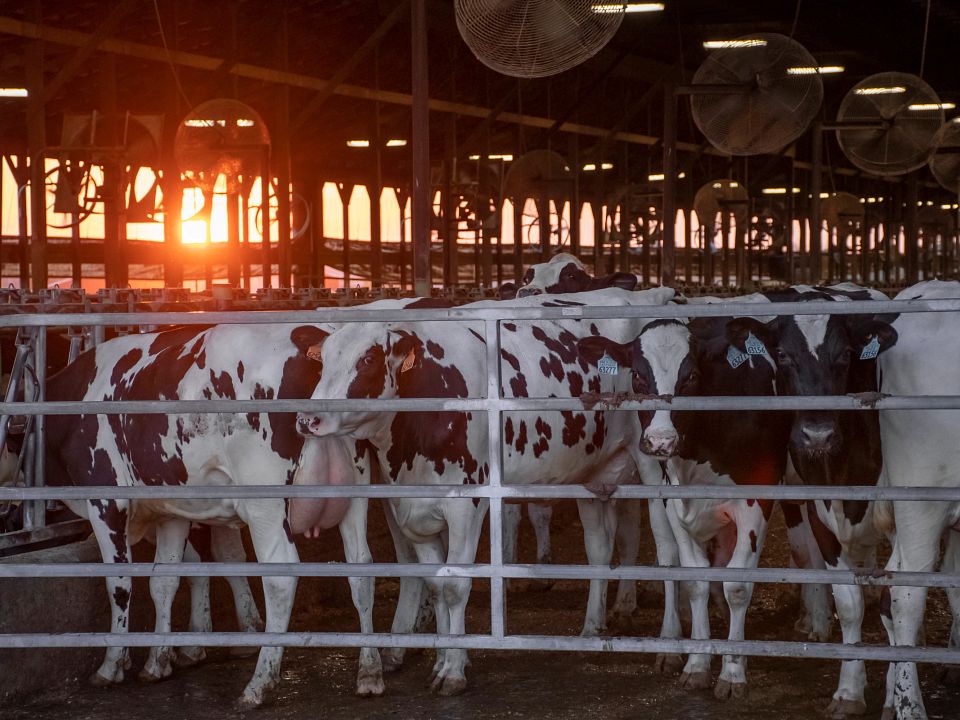
The Beef Checkoff was established to include all bovines including dual-purpose animals such as dairy cattle. A dollar is collected through the sale barns every time an animal is sold regardless of it's age or stage of production. The checkoff is also due on private sale of dairy animals to other producers or cattle dealers. This includes dairy replacements and bull calves for dairy beef or veal that are sold directly to the producer.
Monthly remitters may include auction markets, order buyers, feedlots, and large scale direct marketers. Monthly remittance forms are due by the 15th of each month.
The Beef Promotion and Research Act and Order require collection of a mandatory $1-per-head beef checkoff assessment every time cattle are sold. The Act and Order authorize State beef councils to retain up to 50 cents per head of the mandatory $1-per-head checkoff assessment for in-State research and promotion programs conducted by the State beef council. The law requires that at least 50 cents of the mandatory $1-per-head checkoff assessment be forwarded to the Cattlemen’s Beef Promotion and Research Board (Beef Board) to help fund national beef checkoff programs. Producers may use this form to request that QSBC send the full $1-per-head beef checkoff assessment from their individual cattle sales to the Beef Board and that the QSBC not retain any portion of the individual’s assessment for its direct programing efforts.